
Contact Us
Longgang District, Shenzhen City,china
Transitioning from Injection Molding to Thermoforming: Process, Advantages, and Professional Design Solutions
Release Time:
2024-07-16 16:24


The choice between injection molding and thermoforming can significantly impact the efficiency, cost, and quality of a product. While injection molding is highly effective for certain applications, thermoforming offers distinct advantages, particularly for larger parts and lower production volumes. Here's a guide on how to transition from injection molding to thermoforming, the benefits of doing so, and how our professional design solutions can support this shift.
### Transitioning from Injection Molding to Thermoforming
**1. Material Selection:**
Both processes use plastic materials, but the type and form of plastics used can differ. Injection molding typically uses plastic pellets, while thermoforming relies on plastic sheets. Transitioning to thermoforming requires selecting suitable sheet materials that meet the performance requirements of the final product.
**2. Tooling Changes:**
Injection molding uses complex, multi-part molds that are often expensive to produce. In contrast, thermoforming uses simpler molds, usually made from aluminum or steel, which are less costly and quicker to manufacture. Switching to thermoforming involves redesigning the tooling to accommodate the plastic sheets and the forming process.
**3. Design Adaptation:**
The design of parts needs to be adjusted when transitioning to thermoforming. For example, thermoformed parts typically have less intricate details compared to injection-molded parts. Our professional design team can modify your product designs to suit the thermoforming process, ensuring that the essential functionality and aesthetics are maintained.
**4. Process Adjustment:**
Injection molding is a high-pressure process, while thermoforming uses vacuum or pressure forming techniques. The production setup will need to be altered accordingly, with a focus on optimizing heating, forming, and cooling cycles in thermoforming to achieve the desired product quality.
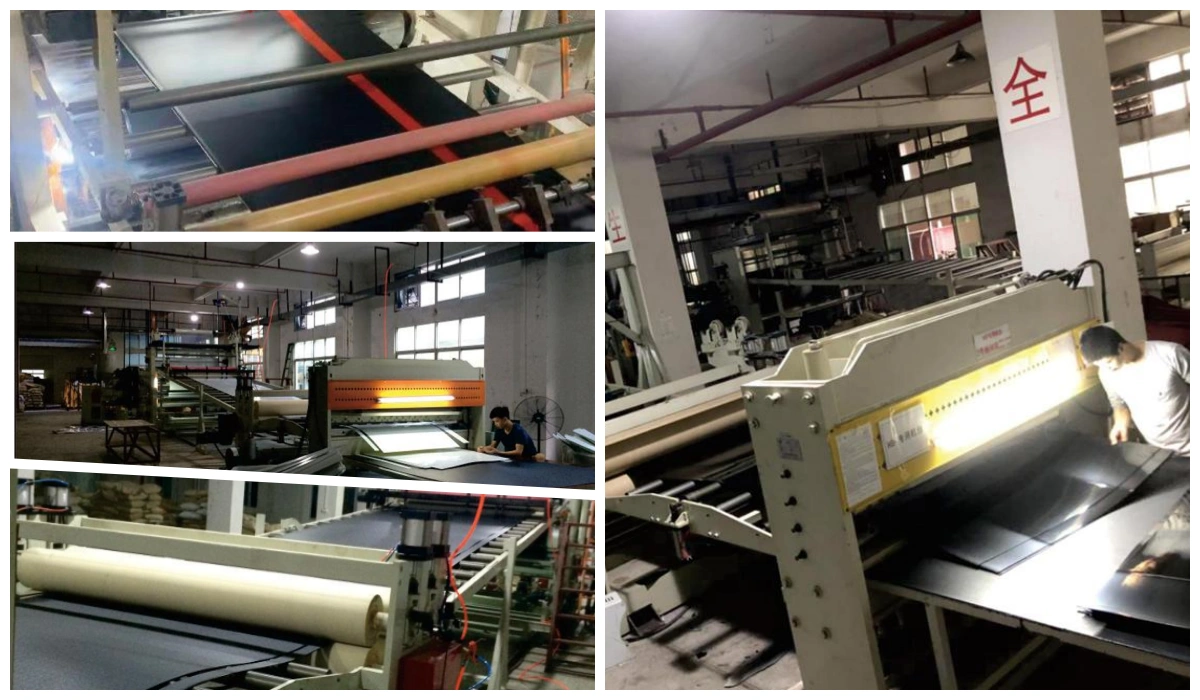
### Advantages of Thermoforming Over Injection Molding
**1. Cost-Effectiveness:**
Thermoforming is generally more cost-effective, especially for smaller production runs. The tooling costs are significantly lower, making it an ideal choice for businesses that require flexibility in production without the high initial investment associated with injection molding.
**2. Faster Turnaround:**
The simplicity of thermoforming molds allows for quicker setup times and faster production cycles. This is particularly beneficial when time-to-market is a critical factor.
**3. Ideal for Large Parts:**
Thermoforming excels in producing large, flat or slightly curved parts, such as trays, panels, and covers, which would be more expensive and complex to manufacture using injection molding.
**4. Versatility in Material Thickness:**
Thermoforming allows for the use of a wide range of material thicknesses, providing flexibility in product design that can meet various strength, durability, and weight requirements.
**5. Environmental Benefits:**
Thermoforming generates less waste compared to injection molding, especially when using biodegradable or recyclable materials. This can be a significant advantage for companies focused on sustainability.
### Professional Design Solutions
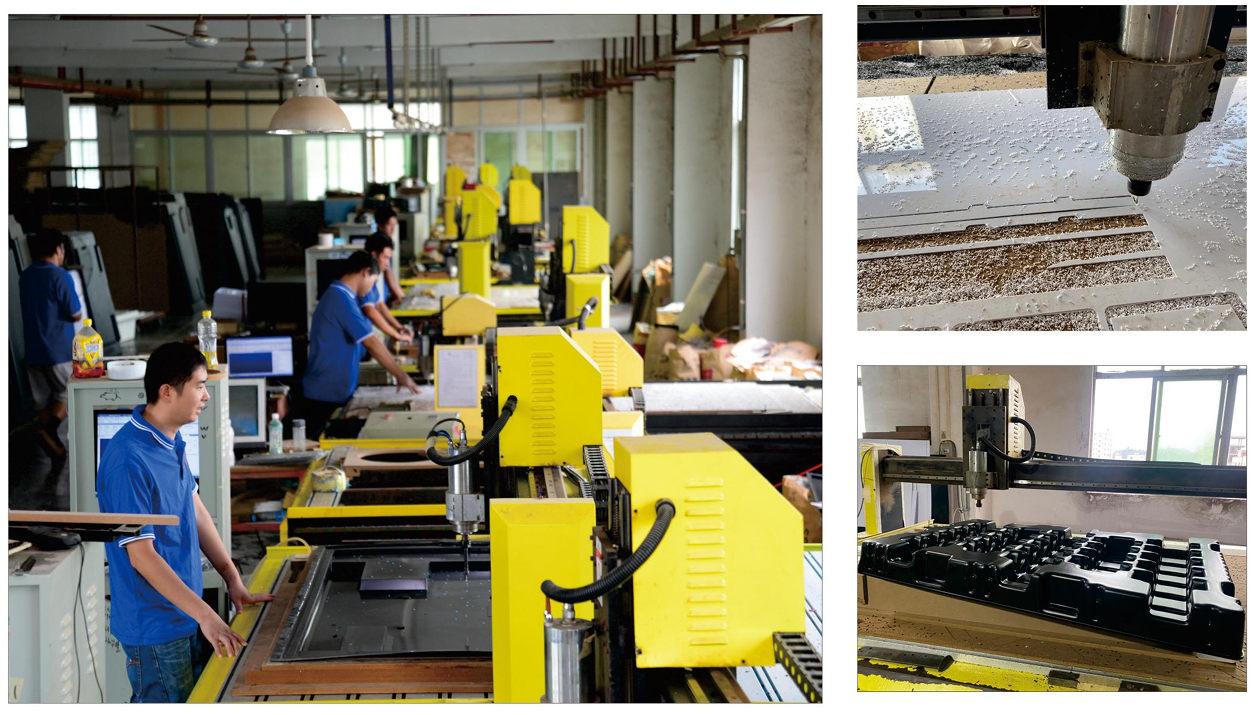
At [Your Company Name], we specialize in helping businesses make a seamless transition from injection molding to thermoforming. Our nearly 20 years of experience in thermoforming plastic trays, particularly in the hydroponic industry, positions us as experts in delivering professional, high-quality design solutions.
**Custom Design Services:**
Our team of experienced designers can take your existing injection-molded product designs and adapt them for thermoforming, ensuring that all functional requirements are met while optimizing for cost and production efficiency.
**Prototyping and Testing:**
We offer rapid prototyping services to allow you to visualize and test your thermoformed parts before full-scale production. This step is crucial in fine-tuning the design and ensuring that the final product meets your expectations.
**Material Consultation:**
Choosing the right material is key to the success of your thermoformed product. We provide expert guidance on selecting the best materials for your specific application, considering factors such as strength, durability, and environmental impact.
**Production Optimization:**
Our team can help you optimize the entire production process, from tooling design to cycle time reduction, ensuring that your transition to thermoforming is as efficient and smooth as possible.
### Conclusion
Transitioning from injection molding to thermoforming can offer numerous advantages, including cost savings, faster production times, and greater design flexibility. With our professional design solutions, we can help you navigate this transition effectively, ensuring that your products not only meet but exceed your expectations. Whether you're looking to improve your current production process or explore new possibilities in product design, we're here to support your success every step of the way.
If you'd like to learn more about how we can assist with your transition to thermoforming, please feel free to contact us. Sales04@ameixin.com.cn

Ameixin Plastic Group Company was established in 2000, Now we have branch companies located in ShenZhen , HuiZhou , HongKong , Australia. We have our own factory over 18000 square meters. and passed the ISO 9001:2005 of certification.
Contact us
Contact us
Tel : 86 13240666686 / 86 15089202528
Email: Sam@szameixin.com
Ken Lai: +86 18933236697
Email: Sales04@ameixin.com.cn
Copyright © 2022 ShenZhen Ameixin Plastic Co.,Ltd